

Typical Properties and Field Applications
ELViS spacer technology was commercialized in 2009 successfully and has been applied in various oil and gas fields in the world. It has been proved to be effective in cementing oil or gas wells with the following conditions and properties:
|
Temperature: |
BHST 95‑350°F (35‑175°C) |
|
Density: |
10.0 ppg to 20.5 ppg (1.20‑2.45 g/cm3) |
|
Mix-water: |
Fresh water, seawater, and brines |
|
Rheology: |
Adjustable up to 175°C |
|
API mud fluid loss: |
≤50 mL |
Example hierarchy design of density and rheology profile of ELViS spacers are shown in the Table below.
|
Mud, 1.95 g/cm3 |
Rheology at 93℃ |
85/55/42/30/7/4 |
|
Spacer, 2.05 g/cm3 |
Rheology at 93℃ |
102/72/59/42/12/11 |
|
Lead slurry, 2.10 g/cm3 |
Rheology at 93℃ |
226/125/89/48/4/3 |
High-temperature and high-pressure rheology of ELViS systems play crucial role in the engineering design of laminar flow viscous spacer.
The stability of ELViS especially the weighted system is also important for the displacement efficiency. A seven-day settling test is conducted to evaluate the stability of a typical ELViS system and the results are described in the Table below.
|
ELViS spacer density |
1.70 SG |
|
Weighing agent |
Barite |
|
KCM004 loading |
14 kg/m3 |
|
Test conditions |
20°C, 7-days, static settling |
|
Upper density |
1.699 SG |
|
Middle density |
1.701 SG |
|
Lower density |
1.705 SG |
Precautions and HSE Considerations
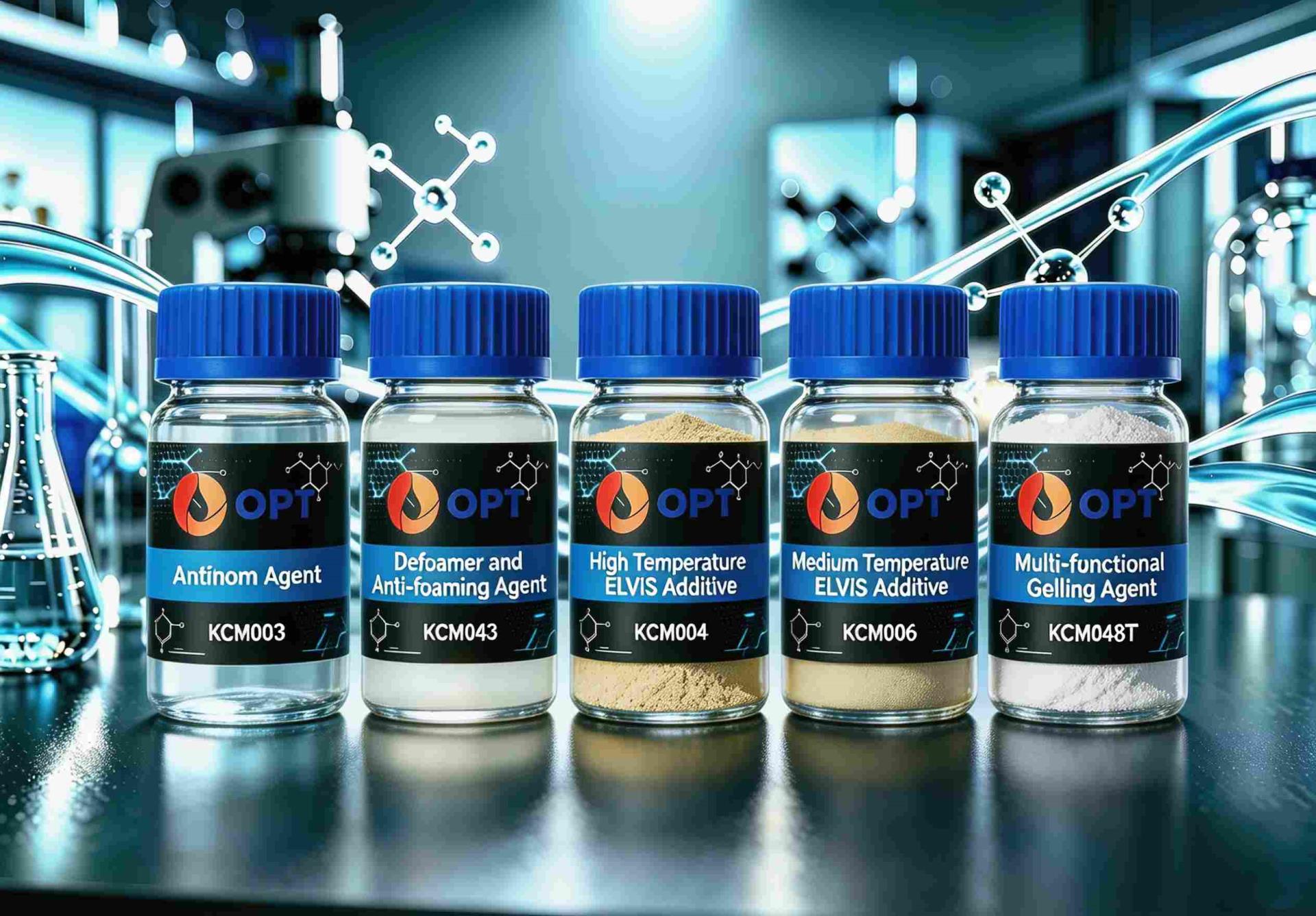
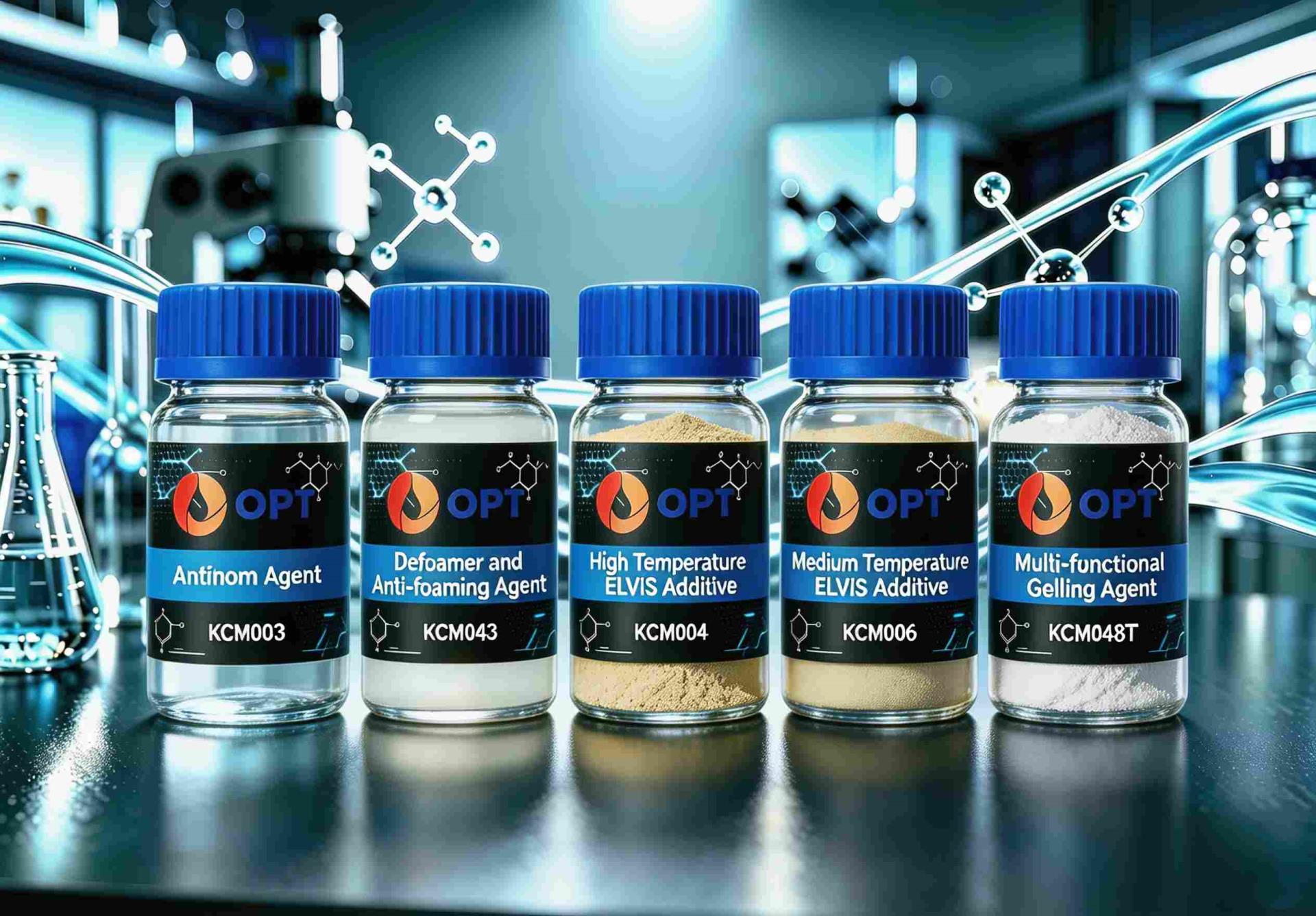
Multi-functional gelling agent (KCM048T), high temperature (KCM004) and medium temperature (KCM006) ELViS additives play the most important role in cementing job design using effective laminar technique. In addition, defoamer (KCM043) and antifoam agent (KCM003) are also used in ELViS systems. ELViS density can be easily adjusted with various weighing agents such as hematite and barite, which are compatible with ELViS additives.
The laboratory procedures, quality assurance program and guidelines for field mixing and handling of ELViS systems are described in ELViS fluid manual.
Refer to the technical data sheet (TDS) and SDS of the respective product for the health, safety and environmental information of each product.