

Typical Properties and Field Applications
TOC technology was commercialized in 2016 successfully and has been applied in various oil and gas fields in the world. It has been proved to be effective in cementing oil or gas wells with the following conditions and properties:
|
Temperature: |
BHST 104‑215°F (40‑102°C) |
|
Density: |
11.20 ppg to 14.50 ppg (1.35‑1.75 g/cm3) |
|
Mix‑water: |
Fresh water |
|
Gel strength: |
YP: 30‑100 lbs/100ft2 |
Typical thixotropic properties of TOC slurries are shown in the following Table and Figures.
Precautions and HSE Considerations
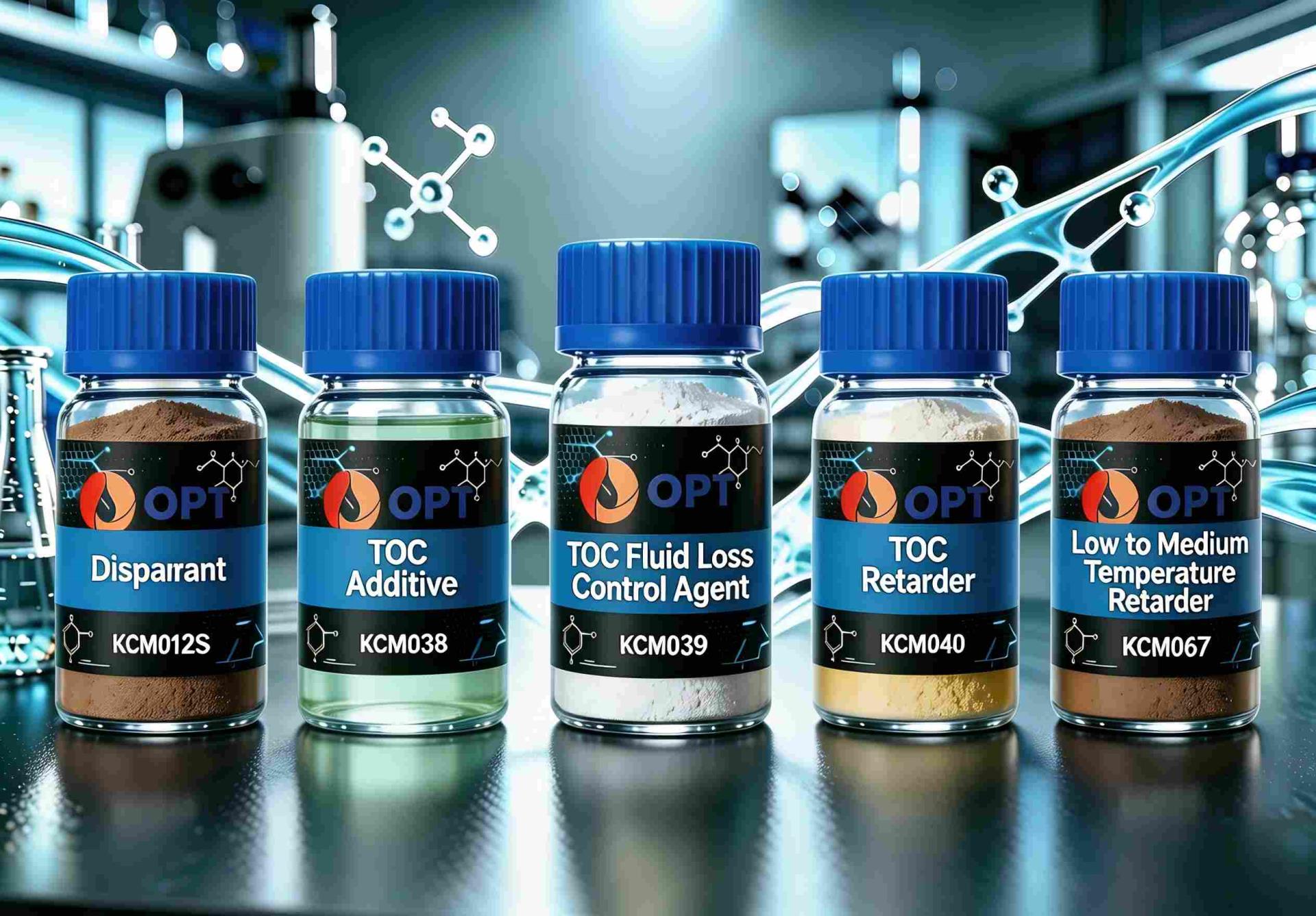
TOC additive (KCM038) plays the most important role in cementing jobs with TOC slurry. In addition, fluid loss agent (KCM039), retarder (KCM040) and expanding agent (KCM025LT, KCM025HC) are engineeringly developed for TOC system because KCM038 is not compatible with regular fluid loss control agents, dispersant and retarders.
The laboratory procedures, quality assurance program and guidelines for field mixing and handling of TOC systems are described in TOC fluid manual.
Refer to the technical sheet and SDS of the respective product for the health, safety and environmental information of each product.