

Typical Properties and Field Applications
PETCem technology was commercialized in 2011 successfully and has been applied in various oil and gas fields in the world. The PET additives listed in the above table are inorganic nature and applicable at ultra‑high temperature by themselves (more than 300°C). Other major additives, such as Fluid Loss Control Agent, Dispersant and Retarder, generally limit the upper temperature that PETCem is applicable. It has been proved that PETCem systems are effective in cementing oil or gas wells with the following conditions and properties:
|
Temperature: |
BHST 150‑375°F (65‑190°C) |
|
Density: |
8.0 ppg to 21.5 ppg (0.95‑2.60 g/cm3) |
|
Mix-water: |
Fresh water, brines (up to 18%) |
|
API fluid loss: |
Less than 50 mL |
|
Rheology: |
PV: 50‑200 cP, YP: 5‑30 lbs/100ft2 |
Precautions and HSE Considerations
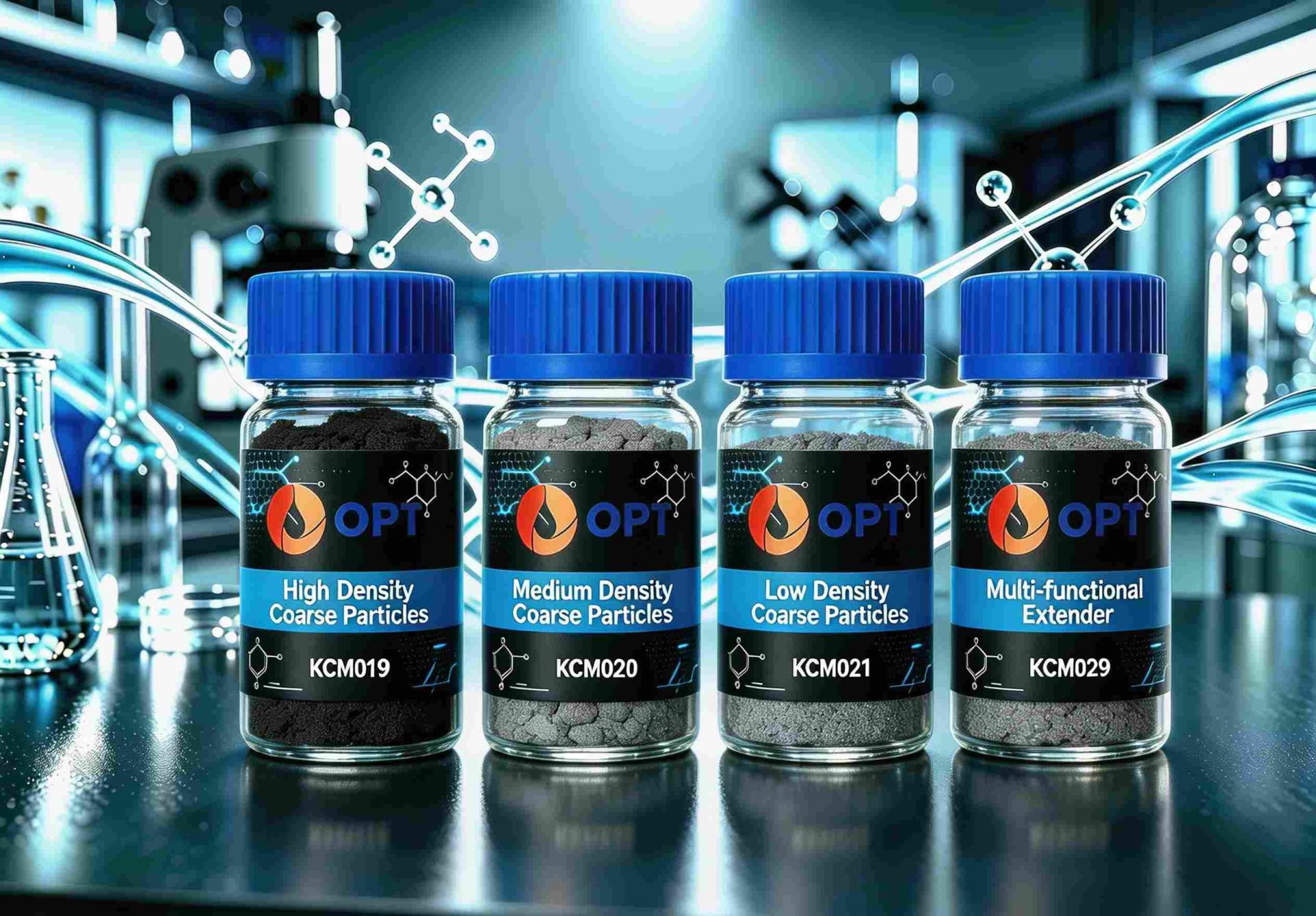
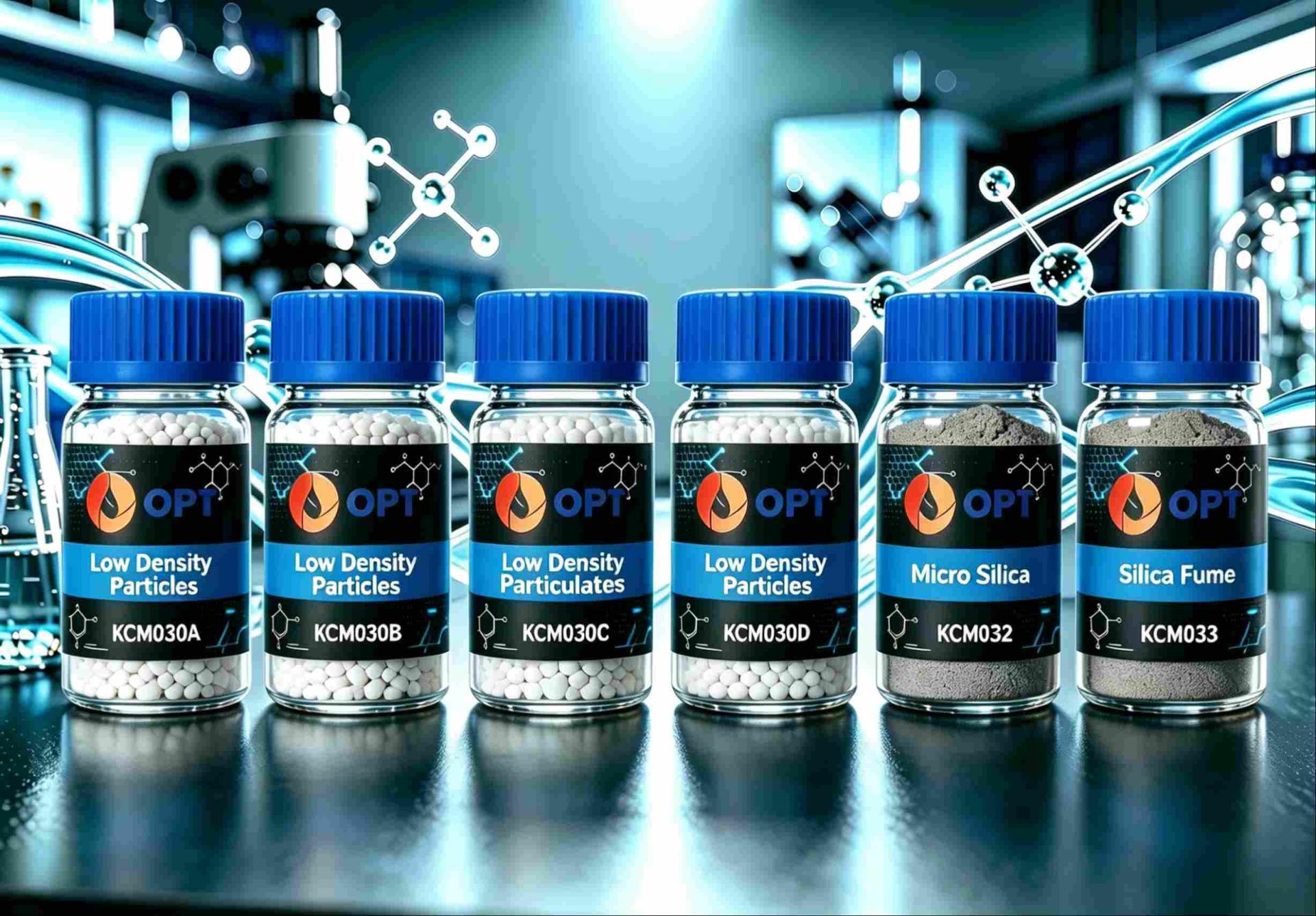
Coarse (KCM019, KCM020, KCM021, KCM030, KCM031), medium (cement, KCM032) and fine particles (KCM029, KCM033) are generally used in PETCem systems to design cement slurries at low or high densities. They are generally inert particulates which is compatible with other additives such as fluid loss agent, retarder, dispersant in PETCem systems.
The laboratory procedures, quality assurance
program and guidelines for field mixing and handling of PETCem systems are
described in PETCem fluid manual.
Refer to the technical sheet and SDS of the respective product for the health, safety and environmental information of each product.